
Gummy smile treatment can reduce how much gum tissue shows when you smile, but the right option depends on the cause. Some cases respond well to injections or gum reshaping, while others need orthodontics or jaw-based treatment for a stable, natural-looking result.
A gummy smile is a cosmetic concern, not a disease. Dentists often describe it as excessive gingival display, meaning more gum tissue shows above the upper teeth than a person would like.
If you’re weighing injections, gum reshaping, orthodontics, or surgery to reduce a gummy smile, a smile makeover can coordinate the right combination of treatments for a balanced result. Maison LA Boutique Dentistry in Los Angeles, CA offers personalized planning to align cosmetic and restorative choices for a natural-looking, durable outcome.
A gummy smile can happen for several reasons. Common causes include excess gum tissue, short-looking teeth, a highly active upper lip, a short upper lip, tooth position, or the way the upper jaw developed.
More than one factor may be involved at the same time. That is why treatment should be based on diagnosis, not just appearance.
Sometimes the teeth only look short because the gums cover too much enamel, which may be related to altered passive eruption. In other cases, the teeth are normal in size, but the upper lip lifts high when smiling or the upper jaw sits lower than average.
A restorative option such as veneers may improve visible tooth proportions in selected cases. They do not correct every cause, but they can be part of a broader cosmetic plan.
An evaluation may include photos, measurements of tooth and gum proportions, bite analysis, and appropriate X-rays. The clinician may also assess lip position at rest and during a full smile.
The best gummy smile treatment depends on whether the main issue is the gums, teeth, lip movement, or jaw position.
|
Option |
Often Considered When |
Typical Longevity And Limits |
|---|---|---|
|
Muscle-relaxing injections |
The upper lip rises strongly during smiling |
Temporary, often lasting a few months; repeat treatment is needed |
|
Gum contouring |
A small amount of excess gum covers otherwise well-proportioned teeth |
Usually lasting if the bone level and gum position are suitable; only a limited amount of tissue can be removed safely |
|
Crown lengthening |
Gum and supporting bone cover too much of the visible tooth |
Generally long-lasting; more involved than gum-only contouring |
|
Orthodontic treatment |
Tooth position or bite contributes to excess gum display |
Results can be stable with proper retention; treatment often takes months or longer |
|
Lip repositioning |
Excessive upward lip movement is a major contributor |
Can provide longer-lasting change, but relapse and altered lip sensation or tightness may occur |
|
Orthognathic jaw surgery |
Vertical upper-jaw development causes substantial gum display |
Major, generally lasting correction; requires surgical and orthodontic planning |
Small injections into selected muscles can reduce how high the upper lip lifts when you smile. The visit is usually quick, and the effect often appears over several days.
This option is temporary and usually lasts only a few months. Botulinum toxin may help when lip movement is the main cause, but it will not correct excess gum tissue, tooth proportions, or jaw position.
Overtreatment can affect smile balance, lip function, or speech. For that reason, treatment should be performed by a qualified clinician with a strong understanding of facial anatomy.
Gum contouring reshapes the gumline when the issue is mainly excess soft tissue. Crown lengthening is more involved and may include reshaping a small amount of supporting bone so the gums can heal at a stable level.
These procedures can make teeth look longer and more proportional. However, too much tissue removal can expose roots, increase sensitivity, or compromise gum health.
A clinician should measure the relationship among the gumline, bone, and tooth before recommending treatment, including the biologic width. Crown lengthening is sometimes coordinated with dental crowns to restore tooth shape after reshaping.
Braces or clear aligners may help when tooth position, eruption, or bite problems contribute to excess gum display. Some cases also use temporary anchorage devices, which are small anchors that help move teeth more precisely.
Lip repositioning aims to limit how far the upper lip rises when smiling. Jaw surgery addresses the position of the upper jaw itself and is usually reserved for more significant skeletal causes.
These treatments differ in recovery, risk, and degree of correction. Complex cases may involve a dentist, orthodontist, periodontist, and oral and maxillofacial surgeon, and sedation dentistry may be part of the plan for comfort during gum procedures or surgery.
Successful treatment can improve tooth-to-gum proportions and create a more balanced smile. The goal is not always to remove all visible gum tissue, because some gum display can look natural.
Longevity depends on the treatment used. Injections may last a few months, while well-planned periodontal, orthodontic, or surgical treatment may provide much longer-term improvement.
Every option has limits. Gum tissue can rebound, orthodontic movement can relapse without retainers, and healing differences can affect symmetry.
Treatment also cannot guarantee that your smile will look identical from every angle or in every expression. Photos and digital previews can help with planning, but they are estimates rather than promises.
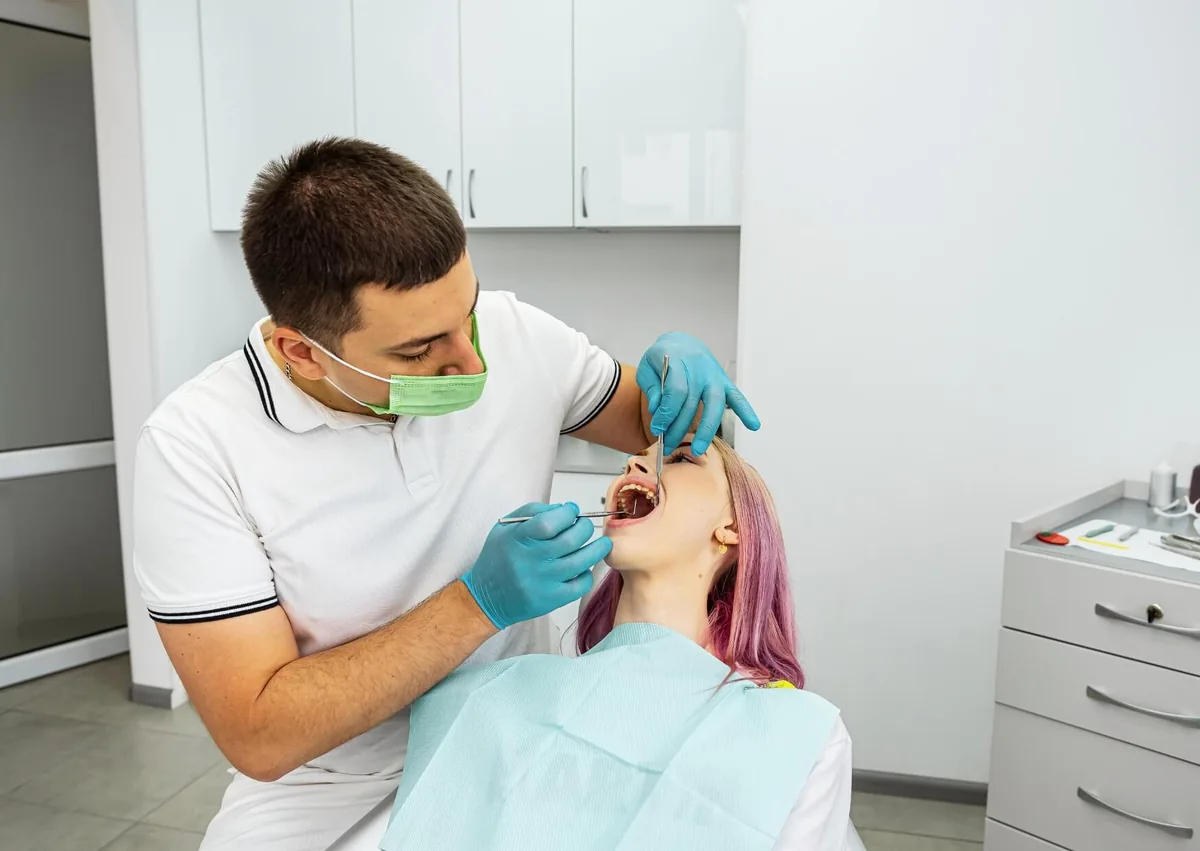
The experience depends on the procedure. Injections may feel like a brief pinch, while gum procedures are usually done with local anesthesia.
After gum reshaping, it is common to have soreness, swelling, or temporary sensitivity. Orthodontic treatment often causes pressure after adjustments, especially early on.
Lip repositioning and jaw surgery involve a more noticeable recovery. Swelling, temporary diet changes, and short-term limits on speaking, exercise, or work may be part of healing.
Gum tissue can look uneven or more prominent before it settles. It is important to follow instructions, attend follow-up visits, and avoid judging the final result too early.
Contact the treating clinician promptly for worsening swelling, uncontrolled bleeding, fever, pus, severe or increasing pain, difficulty swallowing, or an unexpected change in breathing. Breathing difficulty or rapidly spreading swelling requires urgent medical care.
A good candidate usually has healthy teeth and gums, realistic expectations, and a clearly identified cause of excess gum display. The best candidates want improvement, not perfection.
Active gum disease, untreated decay, smoking or nicotine use, certain medical conditions, and medications that affect healing may change the timing or type of treatment. In some cases, it makes sense to treat underlying dental problems first.
Because this concern is often cosmetic, treatment is elective in many cases. It may be better to postpone care during pregnancy, active orthodontic treatment, or major bite changes, depending on the option being considered.
Schedule an evaluation if gum display consistently bothers you, your teeth look unusually short, your bite feels off, or your gumline seems to have changed. A full exam can show whether one treatment is enough or whether a staged smile makeover would create a safer, more predictable result.
For a clear treatment plan and realistic expectations, book a consultation to review options and any staged approach that fits your goals. Maison LA Boutique Dentistry offers smile makeover planning in Los Angeles and serves nearby Silver Lake and East Hollywood; call (323) 660-5522 or schedule an appointment online.
Usually not. A gummy smile is often an appearance-related concern, although short-looking teeth or an uneven gumline can sometimes be linked to altered eruption, gum inflammation, tooth wear, or bite issues.
Sometimes. Injections or orthodontics may help when lip movement or tooth position is the main cause, but excess gum tissue or jaw anatomy may require a procedure for meaningful correction.
Cost varies widely based on the cause, the treatment chosen, the number of clinicians involved, and the local market. Cosmetic treatment is often not covered by insurance, although medically necessary care may be handled differently.
Temporary sensitivity can happen, especially if treatment exposes tooth structure that was previously covered. The risk depends on how much tissue is changed and whether bone reshaping is also needed.
A dentist should evaluate tooth length, gum and bone levels, bite, jaw position, and lip movement before recommending care. If the cause is complex or a major procedure may be needed, an orthodontic, periodontal, or surgical consultation may also be appropriate.

| Monday | 9:00 AM – 5:00 PM |
| Tuesday | 9:00 AM – 5:00 PM |
| Wednesday | 10:00 AM – 7:00 PM |
| Thursday | 9:00 AM – 5:00 PM |
| Friday | 9:00 AM – 4:00 PM |
| Saturday | 9:00 AM – 2:00 PM |
| Sunday | Closed |