
Teeth bonding usually costs about $300 to $600 per tooth in the United States, though the final fee can be lower or higher. The total depends on how many teeth are treated, how much reshaping is needed, the dentist’s experience, and local pricing. Insurance may help when bonding repairs damage or decay, but it often does not cover treatment done only for cosmetic reasons.
If you're deciding whether bonding is enough or if a smile makeover would give you a better result, the right plan can help you balance appearance, durability, and cost. Maison LA Boutique Dentistry in Los Angeles, CA provides personalized cosmetic treatment planning so you can choose the least-invasive option that still fits your goals.
Dental bonding, also called composite bonding, uses tooth-colored resin to improve a tooth’s shape, color, or surface. The material is applied directly to the tooth, sculpted, and hardened with a curing light.
Bonding can work well for small chips, narrow gaps, uneven edges, minor discoloration, or teeth that look slightly short or misshapen. It can create a noticeable cosmetic improvement with little to no enamel removal.
It is not the best choice for every problem. Large fractures, extensive decay, major bite or alignment issues, and teeth weakened by large fillings may need a different restorative or orthodontic approach.
A small repair on one front tooth usually costs less than reshaping several teeth. Fees often rise when the dentist needs to rebuild a larger area, layer multiple shades, or make careful bite adjustments.
Common cost factors include:
Ask whether the estimate includes the consultation, imaging, bonding, finishing, and follow-up adjustments. A written treatment plan makes it easier to understand the full cost and compare your options.
Coverage usually depends on why the bonding is being done. A dental plan may help pay when resin is used to repair a tooth after damage or decay, but it is often not covered for cosmetic treatment.
Deductibles, annual maximums, waiting periods, and exclusions vary by plan. A dental office can submit a pretreatment estimate, but the insurer makes the final decision.
Bonding is usually less expensive and more conservative than porcelain veneers. It can often be completed in one visit, but composite resin is more likely than porcelain to stain, chip, or lose its polish over time.
Veneers cover the front surface of the tooth and may provide better stain resistance and a longer-lasting cosmetic result. They usually cost more, often require some enamel removal, and may take more than one visit. If you are comparing long-term value, read more about veneer cost.
Dental crowns cover most of a prepared tooth and are generally used when more strength or protection is needed. They are a more extensive treatment than bonding and are not usually the first choice for a small cosmetic change alone.
The main benefits of bonding are speed, conservative treatment, and repairability. In many cases, little or no tooth structure is removed, and numbing is not needed unless the tooth is sensitive or also needs restorative care.
Bonding often lasts about 3 to 10 years, but there is no fixed lifespan. How long it lasts depends on the location, your bite, oral habits, diet, hygiene, and the size of the bonded area.
Composite resin does not resist staining as well as enamel or porcelain. Coffee, tea, tobacco, and other dark pigments can gradually change its color, and whitening will not lighten existing resin.
Bonding can also chip or fracture under pressure. Chewing ice, biting nails, opening packages with your teeth, or using front teeth on very hard foods can shorten its lifespan.
The dentist starts by checking the tooth, gums, and bite to make sure bonding is a good fit. A shade is chosen to blend with the nearby teeth, and the tooth surface is prepared so the resin can bond securely.
The composite is placed in layers, shaped carefully, hardened with a curing light, and polished. A simple case may take about 30 to 60 minutes per tooth, while more detailed cosmetic work can take longer.
Most people return to normal activity right away. The tooth may feel slightly different at first, but roughness, pain when biting, or an uneven bite should be checked.
Brush twice a day with fluoride toothpaste, clean between your teeth daily, and keep regular dental visits. Professional cleanings and exams help your dentist monitor the bonding, polish surface stains, and catch small chips early.
If you clench or grind, your dentist may recommend a custom night guard to protect the bonding. Do not try to file, glue, or repair a chipped area at home.
Seek prompt care if the bonding breaks, feels sharp, or the tooth develops worsening pain, swelling, fever, drainage, or lingering sensitivity. Facial swelling, trouble swallowing, or difficulty breathing needs urgent medical attention.
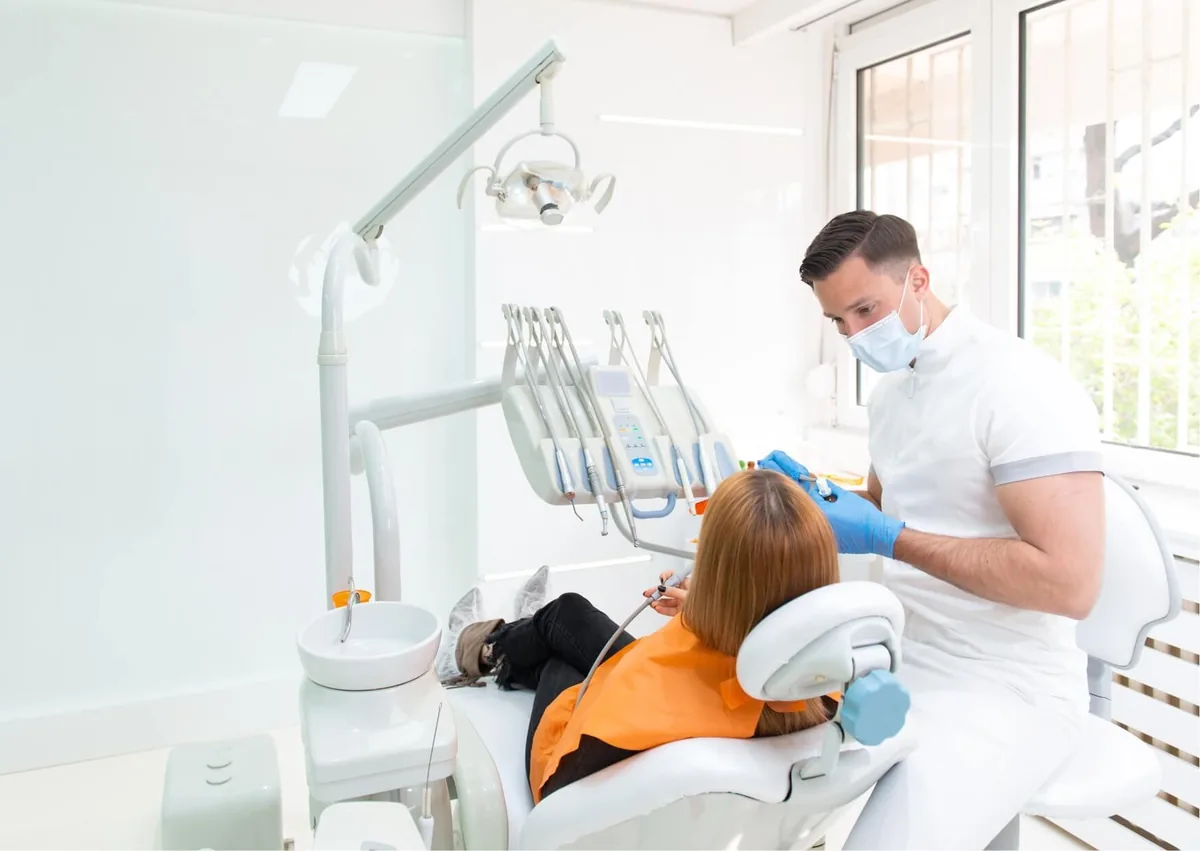
Bonding is often a good option for people with healthy teeth and gums who want modest changes in shape, spacing, or color. It works best when expectations are realistic and the goal is improvement rather than a complete transformation.
A smile makeover evaluation can be helpful when several teeth are involved, the bite is uneven, there is a history of grinding, or the cosmetic concern may actually be related to decay or structural damage. Your dentist can examine the teeth, compare alternatives, and give you a personalized estimate based on the result you want.
Compare bonding, veneers, and crowns in a personalized consultation so you leave with a clear plan and an individualized cost estimate. Call Maison LA Boutique Dentistry for smile makeover planning in Los Angeles, CA and nearby Silver Lake and Los Feliz, or schedule an appointment at (323) 660-5522.
A typical U.S. estimate is about $300 to $600 for one tooth, but a very small repair may cost less and a more complex cosmetic build-up may cost more. You will need an exam for an accurate quote.
Cosmetic bonding is usually comfortable because it often involves little or no enamel removal. Anesthetics may be used if the tooth has decay, a deeper fracture, or a sensitive area.
Bonding can sometimes close a small gap by adding resin to one or both neighboring teeth. Larger spaces or gaps related to tooth position, gum issues, or a strong frenum may need a different treatment.
Teeth whitening products can lighten natural teeth, but they do not change the color of existing composite resin. If whitening is part of the plan, it is often done first so new bonding can be matched to the brighter shade.
Bonding can often be polished, repaired, replaced, or removed, especially when very little enamel was changed. The exact options depend on how much resin was placed and how the tooth was prepared.

| Monday | 9:00 AM – 5:00 PM |
| Tuesday | 9:00 AM – 5:00 PM |
| Wednesday | 10:00 AM – 7:00 PM |
| Thursday | 9:00 AM – 5:00 PM |
| Friday | 9:00 AM – 4:00 PM |
| Saturday | 9:00 AM – 2:00 PM |
| Sunday | Closed |