
Sedation for dental implants can make surgery feel calmer and easier to manage, but it is not always necessary. Many implant procedures are completed comfortably with local anesthetic alone, while sedation dentistry may be added for anxiety, longer appointments, or more complex treatment.
The right approach depends on the procedure, your comfort level, your health history, and the training and monitoring available from the dental team.
If you feel anxious about implant surgery or prefer to limit awareness during longer or more complex procedures, sedation dentistry can tailor comfort to your needs. Maison LA Boutique Dentistry in Los Angeles, CA offers individualized sedation plans to reduce anxiety and improve procedural comfort.
A dental implant post is placed in the jawbone to support a replacement tooth. Sedation helps with relaxation and awareness, while local anesthetic numbs the surgical area to control pain.
That distinction matters. Sedation by itself does not numb the mouth, so local anesthetic is still typically used during implant placement.
Depending on the method, you may stay fully awake, feel deeply relaxed and drowsy, or be fully unconscious under general anesthesia. With lighter sedation, you may still notice pressure, vibration, or drilling sounds, but sharp pain should not be expected once the area is properly numb.
The best choice is usually the least intensive option that still keeps you comfortable. Which options are available depends on state rules, provider credentials, monitoring standards, and the treatment setting under current sedation guidelines.
|
Option |
Typical Experience |
Common Considerations |
|---|---|---|
|
Local anesthetic only |
Awake and numb in the surgical area |
Often suitable for straightforward placement in a comfortable patient |
|
Nitrous oxide |
Relaxed but awake; effects usually fade quickly |
Often called laughing gas; transportation rules vary by office |
|
Drowsy and less aware; memory may be limited |
Requires advance instructions and usually an adult escort |
|
|
Deeper, adjustable relaxation; limited memory is common |
Requires continuous monitoring and an escort |
|
|
General anesthesia |
Fully unconscious |
Usually reserved for selected complex cases or specific medical and behavioral needs |
Nitrous oxide is inhaled through a small nasal mask and can be adjusted during treatment. Its effects usually wear off quickly, though discharge instructions still vary by office.
Oral sedation is taken before the appointment. It can help reduce anxiety, but once it is given, the level of sedation is less adjustable than IV medication.
IV sedation works through a vein and can be titrated during surgery. General anesthesia is the deepest option and usually involves greater monitoring, recovery needs, and case selection.
Sedation may be especially helpful if you have strong dental anxiety, a sensitive gag reflex, difficulty sitting still, or a longer procedure involving multiple implants, extractions, or bone grafting. It can also make treatment feel shorter and may reduce how much you remember afterward.
Still, sedation does not improve implant healing on its own. Implant success and longevity depend more on bone support, precise placement, healing, bite forces, oral hygiene, tobacco use, and regular follow-up care.
Possible side effects include nausea, dizziness, headache, grogginess, slowed breathing, and blood pressure changes. More serious reactions are less common, but deeper sedation affects breathing and protective reflexes more significantly, which is why careful monitoring is part of the inherent risks of sedation care.
A qualified clinician should review your medications, allergies, past anesthesia experiences, and medical conditions before treatment. Be sure to mention sleep apnea, heart or lung disease, pregnancy, diabetes, reflux, and any alcohol, cannabis, recreational drug, or sedative use, since these can change how sedation affects your body.
Before the procedure, the team may review fasting or eating instructions, confirm your ride home if needed, check vital signs, and place monitors based on the sedation level. Follow your treating clinician’s instructions rather than general online advice, since details vary by method.
Once the area is numb, implant surgery usually feels more like pressure and vibration than pain. A single uncomplicated implant may be fairly quick, while multiple implants or added procedures can take longer.
If you receive oral sedation, IV sedation, or general anesthesia, you may feel sleepy, less aware, or only remember parts of the visit. With lighter options, you may still hear sounds or notice movement, but the goal is a more relaxed and manageable experience.
Sedation can affect how alert and coordinated you feel after surgery, but it does not prevent normal surgical soreness. Swelling, mild bruising, minor bleeding, and tenderness are usually related to the implant procedure itself.
After oral sedation, IV sedation, or general anesthesia, you will usually need a responsible adult to drive you home and stay available as directed. You may also need to avoid driving, alcohol, work, important decisions, and machinery for the period your clinical team recommends.
Call the dental office promptly if you have worsening pain or swelling, persistent bleeding, fever, pus, a foul taste, rash, repeated vomiting, or healing that seems off track. Call 911 for trouble breathing, chest pain, fainting, bluish lips, severe confusion, or difficulty waking the patient normally.
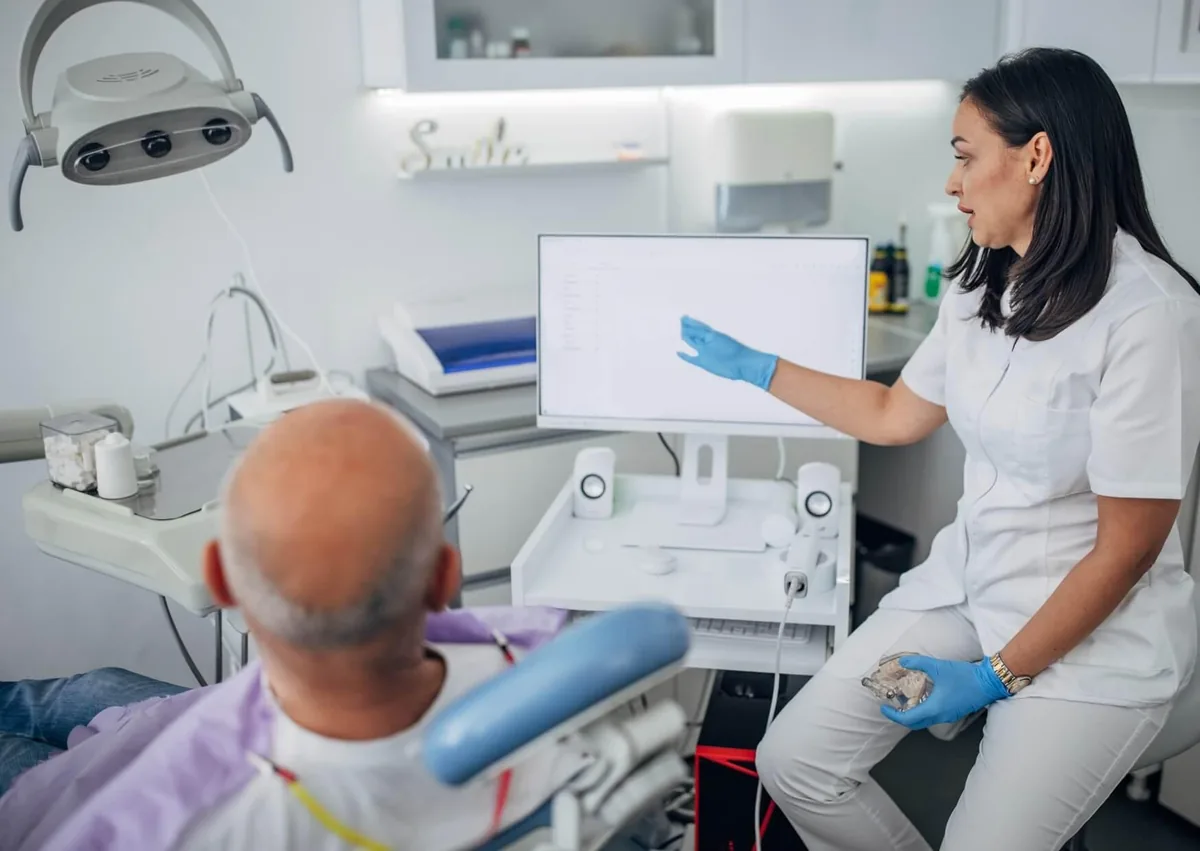
Give the office a complete list of prescription medications, over-the-counter products, supplements, allergies, and medical diagnoses before your appointment. Do not stop or change medications unless the dental team and your prescribing clinician tell you to do so.
Ask whether you need to fast, what to wear, and whether you should remove contact lenses, jewelry, or nail products. If your sedation plan requires an escort, arrange transportation before the day of surgery.
After treatment, follow your personalized instructions for oral care, eating, activity, and medication. Clear preparation and recovery steps help reduce avoidable problems and make the experience smoother.
Sedation may be a good fit if you have significant fear, a past traumatic dental experience, trouble tolerating long visits, movement challenges, or extensive planned surgery. If you are comfortable and only need one straightforward implant, local anesthetic alone may be enough.
Not every patient is a candidate for every sedation level. Uncontrolled medical conditions, medication interactions, active respiratory illness, or the lack of a safe ride and recovery plan may mean postponing treatment, getting medical clearance, or choosing a different setting.
A consultation before dental implants is the best time to review imaging, treatment complexity, anxiety level, health history, costs, and available sedation credentials. It is also the right time to ask who provides the sedation, how you will be monitored, what emergency equipment is available, and what recovery support you will need.
To confirm safe anesthesia for your implant procedure and get tailored recovery guidance, arrange a preoperative consultation to review options and monitoring. Maison LA Boutique Dentistry provides sedation dentistry in Los Angeles, with care for patients from Silver Lake and East Hollywood; call (323) 660-5522 to schedule an appointment.
That depends on the method. Local anesthetic, nitrous oxide, oral sedation, and many forms of IV sedation usually allow some level of responsiveness, while general anesthesia produces unconsciousness.
Not usually. Many single-implant procedures can be completed comfortably with local anesthetic, though sedation may still be helpful if you have significant anxiety or a specific clinical need.
No. Sedation reduces anxiety and awareness during treatment, but it does not prevent soreness after the local anesthetic wears off. Your treating clinician should give you a personalized recovery and pain-control plan.
You should not drive after oral sedation, IV sedation, or general anesthesia, and you will usually need a responsible adult escort. Rules after nitrous oxide vary, so follow the office’s discharge instructions.
Cost depends on the type of sedation, procedure length, clinician, facility, and insurance benefits. For a broader look at pricing, see the cost of dental implants. Request a written estimate that separates implant treatment, sedation, facility charges, and any anesthesia professional’s fee.

| Monday | 9:00 AM – 5:00 PM |
| Tuesday | 9:00 AM – 5:00 PM |
| Wednesday | 10:00 AM – 7:00 PM |
| Thursday | 9:00 AM – 5:00 PM |
| Friday | 9:00 AM – 4:00 PM |
| Saturday | 9:00 AM – 2:00 PM |
| Sunday | Closed |