
Tooth contouring typically costs about $50 to $300 per tooth in the United States. The final fee depends on your location, how many teeth are treated, and how much reshaping is needed.
Because it is usually cosmetic, insurance often does not cover it. For small chips, slightly uneven edges, or minor shape differences, though, contouring can be one of the most affordable ways to improve a smile in a single visit.
If you are wondering whether a small chip or uneven edge needs simple reshaping or a more complete cosmetic plan, a smile makeover can clarify the best next step. Maison LA Boutique Dentistry in Los Angeles, CA can evaluate your enamel and bite to help you choose a conservative, cost-conscious option that fits your smile goals.
Tooth contouring, also called enameloplasty or odontoplasty, removes a very small amount of outer enamel to refine a tooth's shape. A dentist may smooth a rough edge, soften a pointed corner, even out slight length differences, or reduce a minor overlap that affects appearance.
This treatment works best for small cosmetic changes, not major smile redesigns. It cannot close large gaps, fix significant crowding, rebuild a large chip, change tooth color, or treat decay; if color is the main concern, teeth whitening may be a better fit.
Enamel does not grow back, so the dentist must preserve enough to protect the dentin underneath. That is why contouring should only be done after an exam confirms the tooth can be safely reshaped.
A single uneven edge usually costs less than reshaping several front teeth. The total fee may also reflect the dentist's experience, local overhead, and whether imaging or another cosmetic treatment is part of the plan.
Common cost factors include:
Ask for a written estimate so you know exactly what is included. Insurance may help only when reshaping is medically necessary after injury or for function, and coverage depends on the plan.
Dental bonding adds tooth-colored composite instead of removing enamel. It can repair larger chips, close small gaps, and lengthen short teeth, but it usually costs more and may stain, chip, or need replacement over time.
Veneers are thin custom coverings placed over the front of teeth. They can change color, shape, spacing, and apparent alignment more dramatically, but they cost much more, usually require removal of healthy tooth structure, and will eventually need replacement; for local pricing, see veneers cost.
Orthodontic treatment moves teeth rather than changing their outer shape. Clear aligners or braces may be the better choice when the issue comes from crowding, rotation, or bite alignment.
Contouring is often the most conservative option when the concern is limited to a small edge or shape irregularity. The result is permanent because the removed enamel does not return, although future wear, grinding, or injury can still change the tooth over time.
The dentist first checks your teeth, gums, bite, and enamel thickness. In some cases, X-rays are used to confirm that reshaping will be safe.
The tooth is then adjusted gradually with a fine disc, bur, or polishing instrument. After the shape is refined, the surface is polished smooth.
Because enamel does not contain nerves, the procedure is usually painless and often does not require numbing. Most visits take about 30 minutes to an hour, depending on how many teeth are treated and whether bonding is also being done.
You can usually return to normal activities right away. Mild short-term sensitivity can happen, but ongoing pain, a new sharp edge, swelling, or a bite that feels off should be checked promptly.
The main benefits are speed, lower cost, and minimal tooth reduction. For the right candidate, even a subtle change can make the smile look more balanced.
The main limit is that only a thin layer of enamel can be removed safely. Too much reshaping can expose dentin, increase sensitivity, weaken the tooth, or create an unnatural result.
Contoured teeth do not need special maintenance beyond brushing, flossing, and routine dental visits. If grinding or clenching contributed to uneven edges, a nightguard may help protect the result.
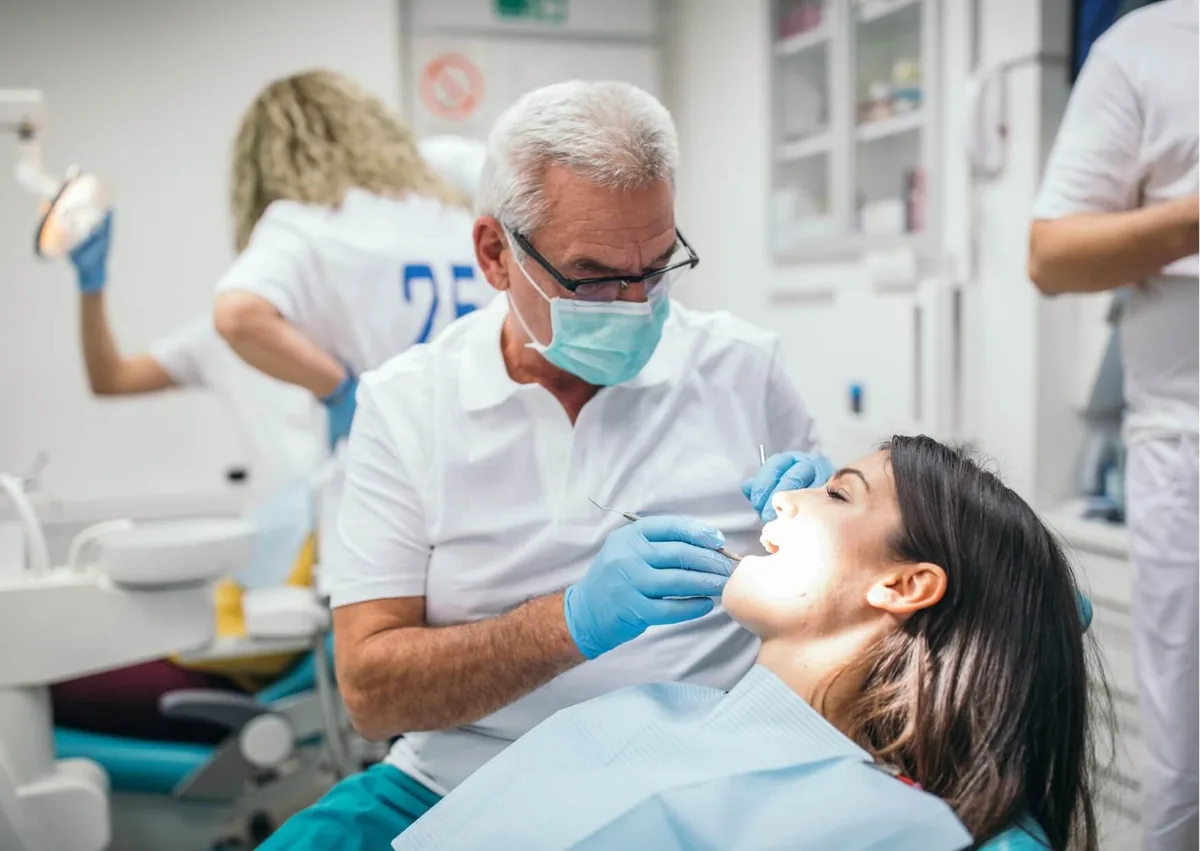
A good candidate usually has healthy teeth, enough enamel, and a minor cosmetic concern such as a small chip, slight length difference, pointed corner, or rough edge. Expectations should be realistic because contouring refines existing tooth structure rather than transforming the whole smile.
It may not be the right choice for teeth with thin enamel, large fillings, deep cracks, active decay, significant sensitivity, advanced wear, or major alignment problems. Gum disease, bite issues, and grinding habits may also need treatment first.
A consultation makes sense when the change you want is small but you are unsure whether contouring is safe or enough. A dentist can compare contouring with bonding, veneers, orthodontics, or a smile makeover and give you a personalized cost estimate.
For a personalized recommendation and accurate pricing, schedule a smile makeover consultation so a dentist can compare contouring, veneers, or crowns after an exam. Call Maison LA Boutique Dentistry in Los Angeles, CA, also serving Silver Lake and Los Feliz, at (323) 660-5522 to book an appointment or request same-day availability.
Usually, yes. Contouring only reshapes existing enamel, while bonding adds material and requires color matching and sculpting, so bonding often costs more per tooth.
Usually not when the treatment is done only to improve appearance. Coverage may be possible if reshaping is needed because of injury or function, but patients should ask for a pretreatment estimate.
It is usually painless because the dentist works within enamel, which has no nerves. If sensitivity occurs during or after treatment, it may mean the tooth needs closer evaluation.
The shape change is permanent because enamel does not regenerate. Normal wear, grinding, or a future chip can still affect the appearance later.
Yes, if the chip is very small and only affects the outer enamel. A deeper chip, crack, or painful tooth may need bonding, a veneer, dental crowns, or another treatment after an exam.

| Monday | 9:00 AM – 5:00 PM |
| Tuesday | 9:00 AM – 5:00 PM |
| Wednesday | 10:00 AM – 7:00 PM |
| Thursday | 9:00 AM – 5:00 PM |
| Friday | 9:00 AM – 4:00 PM |
| Saturday | 9:00 AM – 2:00 PM |
| Sunday | Closed |