
Digital smile design helps you preview how cosmetic dental treatment may change your smile before any irreversible work begins. It uses photos, scans, and planning software to show likely changes in tooth shape, size, color, and alignment, but the preview is a planning tool, not an exact guarantee of the final result.
If you're weighing a coordinated plan to change color, shape, or alignment across several teeth, a smile makeover can turn a digital preview into a staged, clinician-guided plan tailored to your goals. Maison LA Boutique Dentistry in Los Angeles, CA helps patients review conservative and restorative options so you understand likely outcomes and tradeoffs.
Digital smile design combines facial photos, close-up images, and a digital scan or impressions. The software helps the dentist study how your teeth relate to your lips, gums, facial proportions, and bite.
The preview may show possible changes to worn, chipped, discolored, uneven, crowded, or widely spaced teeth. It can also help show whether changes in tooth length or gum contour could improve balance and symmetry.
A strong plan goes beyond a simple edited photo. It also considers enamel limits, gum position, bite function, and the space needed for restorations.
In some cases, the dentist may also create a physical or temporary mock-up. That can help you see proposed tooth contours in your mouth instead of only on a screen.
The best planning method depends on how many teeth are involved and how detailed the treatment needs to be. Digital smile design is especially useful when several procedures need to work together.
|
Planning Option |
What It Provides |
Main Limitation |
|---|---|---|
|
Chairside discussion |
General explanation of likely changes |
Hard to visualize precisely |
|
Photo simulation |
Fast two-dimensional preview |
May not reflect bite, tooth thickness, or gum limits |
|
Digital smile design |
Detailed visual plan tied to facial and dental records |
Still depends on clinical findings and healing |
|
In-mouth mock-up |
Physical preview of approximate shape and length |
May feel bulkier than final restorations |
|
Wax-up or printed model |
Three-dimensional treatment model |
Does not fully show color or soft-tissue response |
Digital planning can improve communication between the patient, dentist, orthodontist, and dental lab. It does not replace an exam, X-rays when needed, bite analysis, or a discussion of alternatives.
Digital smile design is not a treatment by itself. It may be used to plan teeth whitening, teeth bonding, veneers, crowns, orthodontic treatment including SureSmile clear aligners, gummy smile treatment, dental implants, or a combination of procedures as part of a smile makeover.
The most conservative option that can predictably meet your goal is usually worth considering first. Whitening changes color but not shape, bonding can repair or reshape teeth with limited alteration, and orthodontics moves teeth without covering them.
Veneers can change color, contour, and proportion, but they often require permanent tooth alteration and may need replacement over time. Crowns cover more of the tooth and are usually better suited to teeth that need structural support, not appearance alone.
|
Option |
Often Suited To |
Important Limits |
Typical Longevity Considerations |
|---|---|---|---|
|
Whitening |
Natural teeth with external or age-related discoloration |
Does not change fillings, crowns, shape, or alignment |
Color may fade and need maintenance |
|
Composite bonding |
Small chips, gaps, or contour changes |
Can stain, chip, or lose polish |
Often repairable but may need refinishing or replacement |
|
Orthodontics |
Crowding, spacing, or bite-related concerns |
Requires time and retainer use |
Results can remain stable with long-term retainer use |
|
Porcelain veneers |
Significant changes in visible tooth color or shape |
Irreversible in many cases |
Can last many years but are not lifetime restorations |
|
Crowns |
Heavily restored, cracked, or weakened teeth |
Requires substantial tooth preparation |
Eventually may need repair or replacement |
|
Gum contouring |
Uneven or excessive gum display in selected cases |
Anatomy and periodontal health limit tissue removal |
Results may remain stable when properly planned |
Longevity depends on the material, bite forces, oral hygiene, diet, grinding or clenching, and regular dental care. A nightguard may help in some cases, but it cannot remove every risk of wear or fracture.
The planning visit is usually noninvasive. You can expect photographs, a bite record, and either a handheld digital scan or traditional impressions.
Scanning usually takes only a few minutes and does not involve radiation. If you are sensitive to impressions, digital scanning may feel easier and more comfortable.
At the review visit, the dentist may show images, measurements, or a mock-up and ask for feedback on tooth length, edge shape, symmetry, and brightness. A good preview should support a two-way conversation, not push you into elective treatment.
If you move forward, the experience depends on the treatment chosen. Orthodontics may create temporary pressure, gum treatment may cause short-term tenderness, and veneers or crowns may involve local anesthetic and temporary restorations.
The main benefit of digital smile design is clearer communication before treatment starts. It can also help guide restoration design, orthodontic movement, implant planning, and the transfer of details to the dental lab.
It still has limits. Screen images can look different from teeth in natural light, and digital previews cannot perfectly predict gum healing, tooth movement, or how final restorations will feel in the mouth.
As published discussions of digital smile design limitations note, digital planning still depends on real clinical findings and treatment variables. Camera angle, image calibration, and software settings can also make a preview look more exact than it really is.
Healthy, functional teeth matter more than a simulated image. Ask which parts of the plan are highly predictable, which are estimates, and whether any step requires irreversible tooth reduction.
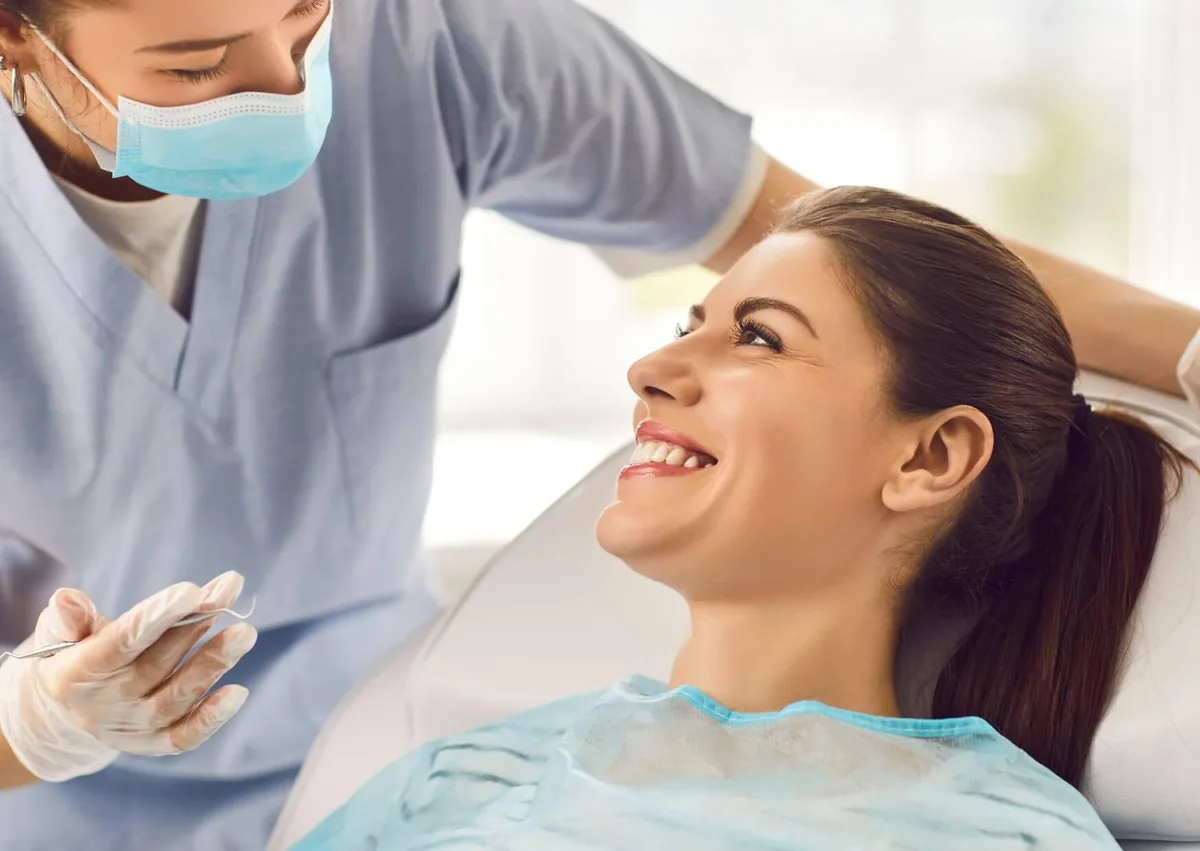
Digital smile design may be a good fit if you are considering changes to several visible teeth, comparing cosmetic options, or unsure how a proposed result may look. It is especially helpful when restorative, orthodontic, and gum treatments need to be coordinated.
Some patients need disease control before cosmetic treatment begins. Active decay, gum disease, infection, severe tooth wear, or an unstable bite may need to be addressed first.
Dry mouth, smoking or vaping, uncontrolled health conditions, and heavy grinding can also affect candidacy and durability. A consultation should include an honest discussion of those risks.
Seek prompt dental care for facial swelling, fever with dental pain, uncontrolled bleeding, trauma involving loose or displaced teeth, or trouble swallowing or breathing. Those problems need clinical evaluation rather than cosmetic planning, and breathing or swallowing difficulty warrants emergency care.
Consider a consultation when your cosmetic concerns are clear, your oral health can be fully evaluated, and you have time to compare conservative and restorative options. If you bring inspiration photos, use them as communication tools rather than exact templates.
Ask to see the proposed plan from more than one angle. You should also ask for a clear explanation of fees, treatment stages, maintenance, alternatives, and likely replacement needs.
A thoughtful consultation should leave you with realistic expectations and enough information to decide whether treatment fits your goals, schedule, and budget.
To move from a digital preview to a coordinated treatment, consider a consultation to confirm the plan and review practical steps and costs. Contact Maison LA Boutique Dentistry for smile makeover planning in Los Angeles near Silver Lake and East Hollywood, call (323) 660-5522 or book online to get started.
It can provide a useful estimate of tooth proportions and the overall visual direction of treatment. Accuracy depends on the quality of the records, the type of treatment, and whether the plan is confirmed with an exam and, when appropriate, a mock-up.
Taking photographs and scans does not damage teeth. Any tooth alteration comes from the treatment chosen afterward, such as veneers or crowns, so ask whether a more conservative option may work for your case.
Record collection may happen in one visit, while plan development and review may take additional time. More complex cases involving a lab or multiple specialists usually take longer than a basic visual simulation.
Coverage varies, but planning done only for cosmetic treatment is often not covered. Insurance may help with medically necessary exams or restorative care, so ask for a written estimate and verify benefits directly with your plan.
Yes. Feedback is one of the main reasons to use digital smile design, but any requested change still needs to fit the limits of healthy tooth structure, gum anatomy, bite function, and the material being used.
| Monday | 9:00 AM – 5:00 PM |
| Tuesday | 9:00 AM – 5:00 PM |
| Wednesday | 10:00 AM – 7:00 PM |
| Thursday | 9:00 AM – 5:00 PM |
| Friday | 9:00 AM – 4:00 PM |
| Saturday | 9:00 AM – 2:00 PM |
| Sunday | Closed |